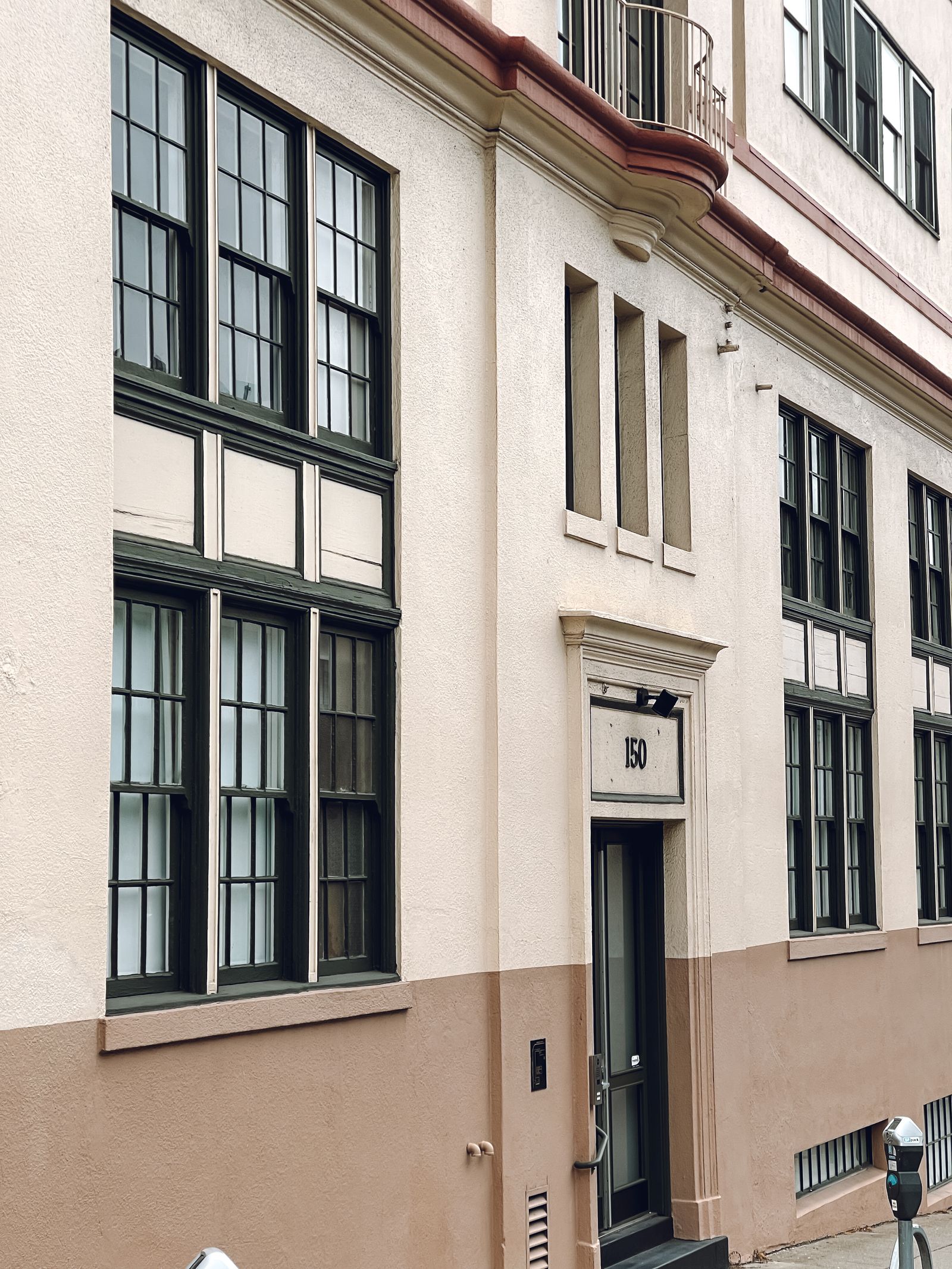
Soft washing prioritizes compatibility and controlled dwell
Soft washing generally uses a compatible cleaning solution, a planned dwell period, and a controlled rinse rather than relying on impact force to do all the work. It may fit selected stucco, painted masonry, EIFS, concrete, brick, or other tested zones with algae, mildew, pollen, bird residue, dust, and atmospheric film. Lower pressure can reduce some mechanical stress, but chemistry, temperature, dwell, wind, overspray, water entry, and landscaping still require attention. A test area should be inspected after it dries when the coating history or substrate response is uncertain.
Oklahoma City buildings often mix materials on the same elevation. A coated panel, porous brick, metal coping, storefront frame, and limestone accent should not be treated as a single surface simply because they share a wall line. The requested outcome also matters: a maintenance rinse, a pre-event appearance reset, and removal of bonded mineral deposits are different jobs. Ask the contractor to describe the expected improvement, remaining limitations, protection plan, and any condition that should be addressed by restoration or repair.
Pressure washing is useful in selected zones, not automatically everywhere
Pressure washing can have a role on tested durable concrete, loading aprons, selected sidewalks, service yards, or other hardscape where the material, nozzle, distance, flow, drainage, and surrounding activity are understood. It is not a universal building-facade method. Excessive force can strip paint, damage mortar, etch softer stone, drive water behind joints, break fragile trim, disturb coatings, or turn loosened soil into a larger water-control problem. Equipment capacity does not establish that the substrate can tolerate the proposed setting.
A lower wall by I-40 may carry road film while an upper wall has windblown dust or organic streaking. A pressure setting that helps the loading area may be wrong for EIFS, stucco, painted trim, or a hotel entrance. Downtown sidewalks and Bricktown patios add guests, pedestrians, outdoor dining, rideshare activity, and event schedules to the decision. A defensible bid identifies where pressure is proposed, why the material can tolerate it, what protection is required, and how the dry finish will be evaluated.
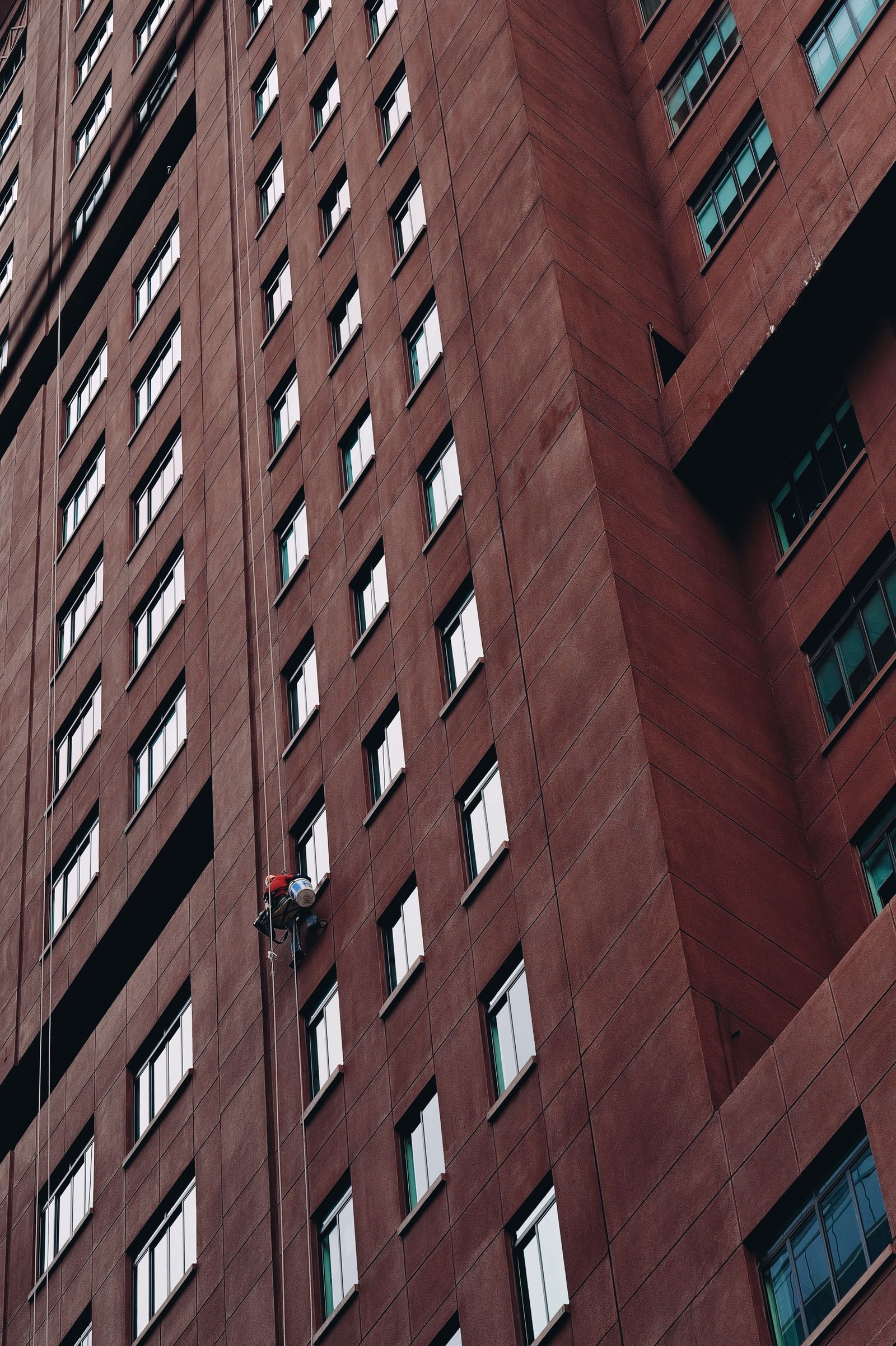
Oklahoma weather belongs in the method comparison
Summer heat changes both soft-wash and pressure-wash work. Sun-facing walls and paving can dry faster than expected, shift chemical dwell, and create a different appearance from a shaded elevation. Hot weather also changes worker exposure, guest comfort, hose handling, and the time available to return a route to service. A hotel may need an early work window before arrivals, while an office or clinic may need an elevation-by-elevation sequence. The selected method should be paired with the real operating calendar and a field check rather than locked to a generic production rate.
Wind is a major comparison point in the Oklahoma City area. It can move spray, affect ladder or lift conditions, change water paths, and make aerial work unsuitable even when a building is otherwise accessible. Thunderstorms, lightning, hail, heavy rain, and sudden outflow can make a previously contained area unsafe within minutes. Winter freezes and wet pavement can narrow the handback window. A useful proposal states weather limits and rescheduling rules so the property is not pressured to accept a poor finish or an uncontrolled work zone.
Compare drone support with the elevation's finish requirement
Drone-assisted application or rinsing can be considered for selected broad upper walls when the operator has adequate line of sight, a secure launch area, acceptable wind, clear stand-off distance, manageable water routing, and a ground team controlling people and vehicles. It may reduce some lift staging or repositioning, but it does not supply every kind of contact. Entrance glazing, frames, canopies, ledges, balconies, bonded deposits, signage, fragile trim, and surfaces that require scrubbing or squeegee detail may still need direct access.
Airport operations, medical helicopter traffic, event restrictions, utility lines, rooftop units, trees, adjacent buildings, and active roads can narrow an aerial plan. The FAA rules and any required authorization must be considered separately from the owner's permission to access the property. Ask for the elevations where drone support is actually proposed, the conditions that make it unavailable, the backup method, and the ground controls. A hybrid plan may be the most credible answer: aerial support for a compatible upper wall, contact work at the entrance, and specialty restoration for a deposit that ordinary washing cannot remove.
Include drainage and occupied-site controls in the bid
Both methods move water and removed soil, so the comparison should include source, volume, chemistry, slope, drains, low points, landscaping, doors, air intakes, equipment, vehicles, loading lanes, and adjacent property. Oklahoma City's stormwater guidance is relevant to commercial maintenance planning, but a curb inlet is not proof that wash water may be discharged there. The proposal should state whether the plan uses diversion, protection, reduced flow, collection, recovery, filtration, dry cleanup, or coordination with the responsible party. Price should reflect the controls required by the actual site.
Ask for a written stop condition if flow leaves the expected path, containment rises, weather changes, or a person enters the controlled area. Wind can carry mist toward an occupied entrance, while a sudden storm can move residue farther than either method's original estimate. The closeout should include completed zones, dry-condition photos, remaining stains or damage, and any drainage or repair issue noticed. This lets a facilities team choose a different method next time when the result or site controls show that the first approach was not the right fit.
Use a property-specific quote to make the final decision
For comparable bids, ask each contractor to state the substrate by zone, visible condition, method and equipment, access plan, water assumptions, weather limits, public and tenant controls, expected finish, exclusions, restoration boundaries, and closeout documents. Separate facade washing from high-detail glass, canopy cleaning, mineral removal, oxidation treatment, construction residue, graffiti, coating work, and repairs. If drone assistance appears in the proposal, ask where it is feasible, what authorization or conditions are required, and what grounded backup is included.
Send the Oklahoma City address, photos, height, materials, priority elevations, desired result, operating schedule, event or delivery constraints, security or airport considerations, water source, drainage observations, and known leaks or repairs. Drone Building Cleaners can help compare soft washing, pressure washing, contact cleaning, drone support, lift access, and a hybrid sequence around the property's real requirements. Call +1 239-351-2897, email contact@dronebuildingcleaners.com, or request a quote for a recommendation that is based on the building rather than a favorite machine.