Begin with the facade, stain, and finish the owner expects
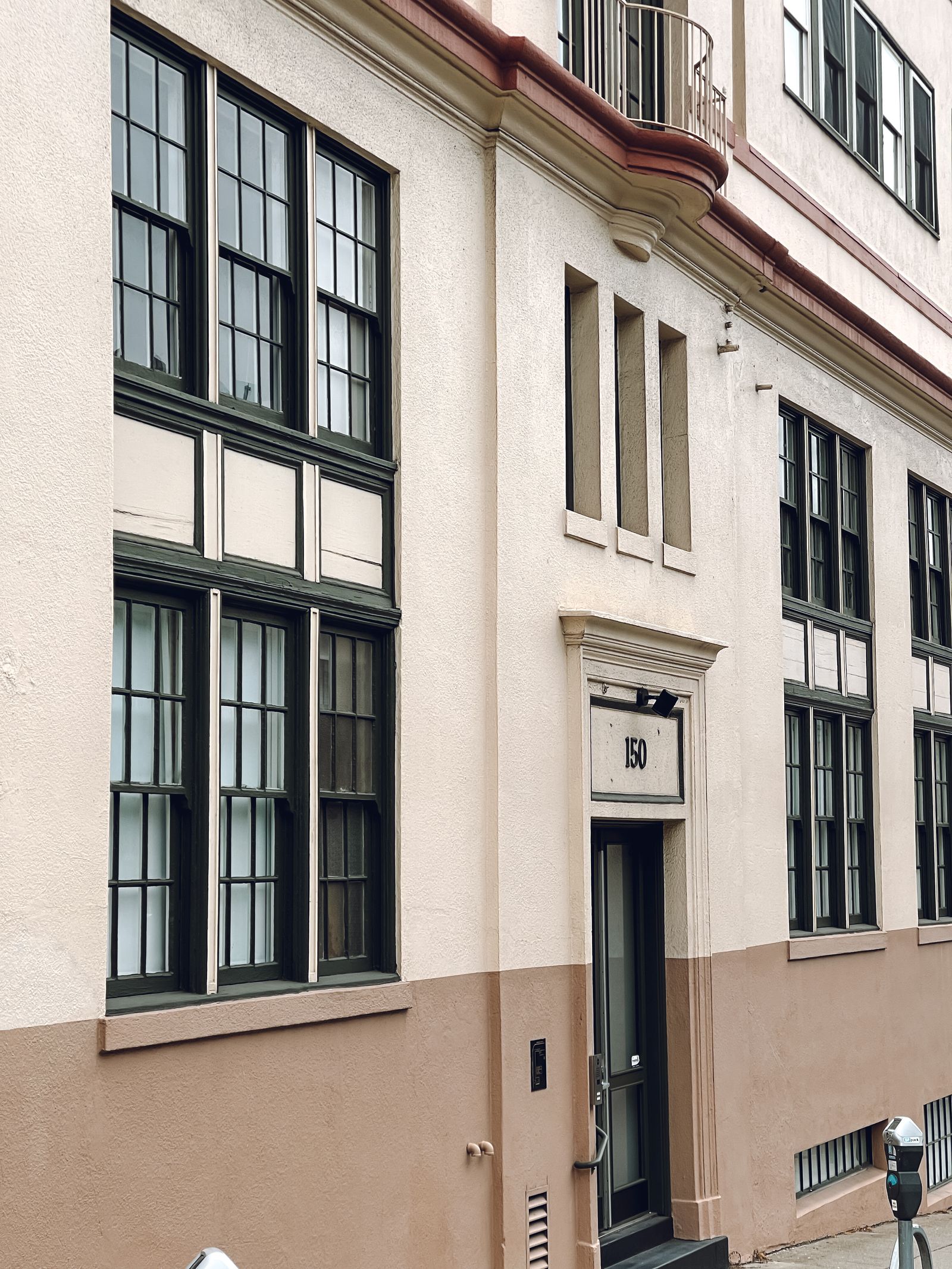
Oklahoma City commercial exteriors commonly combine brick, precast concrete, painted block, EIFS, stucco, metal panels, glass, stone accents, canopies, parapets, and repaired areas. A broad wall may carry windblown dust while a shaded north elevation holds organic growth, and a lower entrance may show splashback or vehicle film. Those conditions do not necessarily call for the same solution. The review should identify substrate, coating history, height, adjacent features, visible soil, and whether the requested result is a routine maintenance wash, a presentation reset, or a more specialized restoration scope.
Soft washing can be useful for compatible organic growth and atmospheric soil when chemistry, dwell, pressure, rinse direction, and protection are controlled. It should not be presented as a fix for cracked masonry, loose mortar, deteriorated sealants, leaking roof edges, spalled concrete, damaged paint, corrosion, efflorescence, or a failed drainage detail. A test area can help when a surface is porous, recently coated, weathered, or unfamiliar. The proposal should say what the cleaning is expected to improve and identify conditions that need a building-envelope, restoration, glazing, or repair specialist.
- Separate brick, EIFS, stucco, concrete, glass, metal, stone, and painted zones.
- Distinguish dust, organic growth, traffic film, mineral deposits, oxidation, and damage.
- Define whether the desired outcome is maintenance, a public-facing reset, or specialty work.
- Use a test area when coatings, repairs, or porous materials make the response uncertain.
Fit the cleaning sequence to OKC neighborhoods and operations
Bricktown and the convention center district can put hotels, restaurants, event traffic, rideshare activity, pedestrians, and deliveries directly beside the work area. Midtown, Automobile Alley, and the Plaza District bring active storefronts, apartments, offices, patios, and narrow urban approaches. The Capitol complex and nearby government offices may require security coordination and a carefully protected public route. In the north metro, Quail Springs, Memorial, and the Broadway Extension corridor combine office, retail, medical, and hospitality properties with busy parking circulation. A site near the Stockyards or south industrial areas may have truck movement, loading zones, and larger setbacks but still needs a controlled work boundary.
Property managers should identify guest arrival, patient access, accessible paths, tenant doors, outdoor dining, delivery windows, employee shifts, emergency routes, security checkpoints, and areas where hoses or wet pavement cannot remain. A hotel may sequence an upper facade while keeping the porte cochere open. A medical or outpatient facility may require air-intake awareness and a no-interruption route to the entrance. An industrial property may need work between dock appointments rather than during a nominal business-hours window. The quote should name the planned work zones, field contact, pause authority, and handback standard.
Oklahoma City's sprawl also makes staging and travel part of the operating plan. A property in Edmond, Yukon, or near the airport may have more room for equipment than a Downtown block, but road frontage, overhead utilities, aircraft activity, and changing wind can affect the sequence. A portfolio quote should not assume that one building's access plan transfers to another. Each address needs its own review of elevation, water source, drains, launch or lift area, people, vehicles, and the time when the finished facade must be ready.
Plan around Oklahoma heat, wind, hail, and fast-changing storms
Oklahoma City's summer heat can warm wall surfaces, roofs, metal trim, glass, sidewalks, and equipment well beyond the air temperature. Direct sunlight can shorten chemical dwell and produce uneven drying if a large elevation is treated all at once. Hot pavement also changes worker conditions and the risk of a public route becoming uncomfortable or slippery. A practical schedule may use smaller sections, shaded timing, additional checks, hydration and rest provisions, and a dry inspection before moving to the next elevation. The goal is a consistent result and a controlled site, not maximum square footage per hour.
Wind is especially important for spray control and any proposed aerial work. Gusts can carry mist toward neighboring property, entrances, vehicles, landscaping, roof equipment, or an occupied sidewalk. Spring thunderstorms may bring lightning, hail, heavy rain, outflow boundaries, and abrupt changes in direction. Winter weather can add freeze risk, wet surfaces, and a narrower safe handback window. Work should pause when wind, lightning, precipitation, visibility, temperature, or traction no longer support the plan. A clear forecast at breakfast is not a substitute for field conditions at the elevation being cleaned.
Seasonal exposure also helps explain repeat soil. Dust from construction or open lots, pollen, bird activity, irrigation, tree cover, road film along I-40 and the Broadway corridor, and roof drainage can create different patterns on different sides of the same building. If a dark line returns beneath a downspout or a wall remains wet beside a planter, the closeout should flag the likely source. Recurring washing can maintain appearance, but it should not conceal a drainage, coating, irrigation, or envelope problem that the owner needs to correct.
Use drone assistance only where the building and airspace allow it
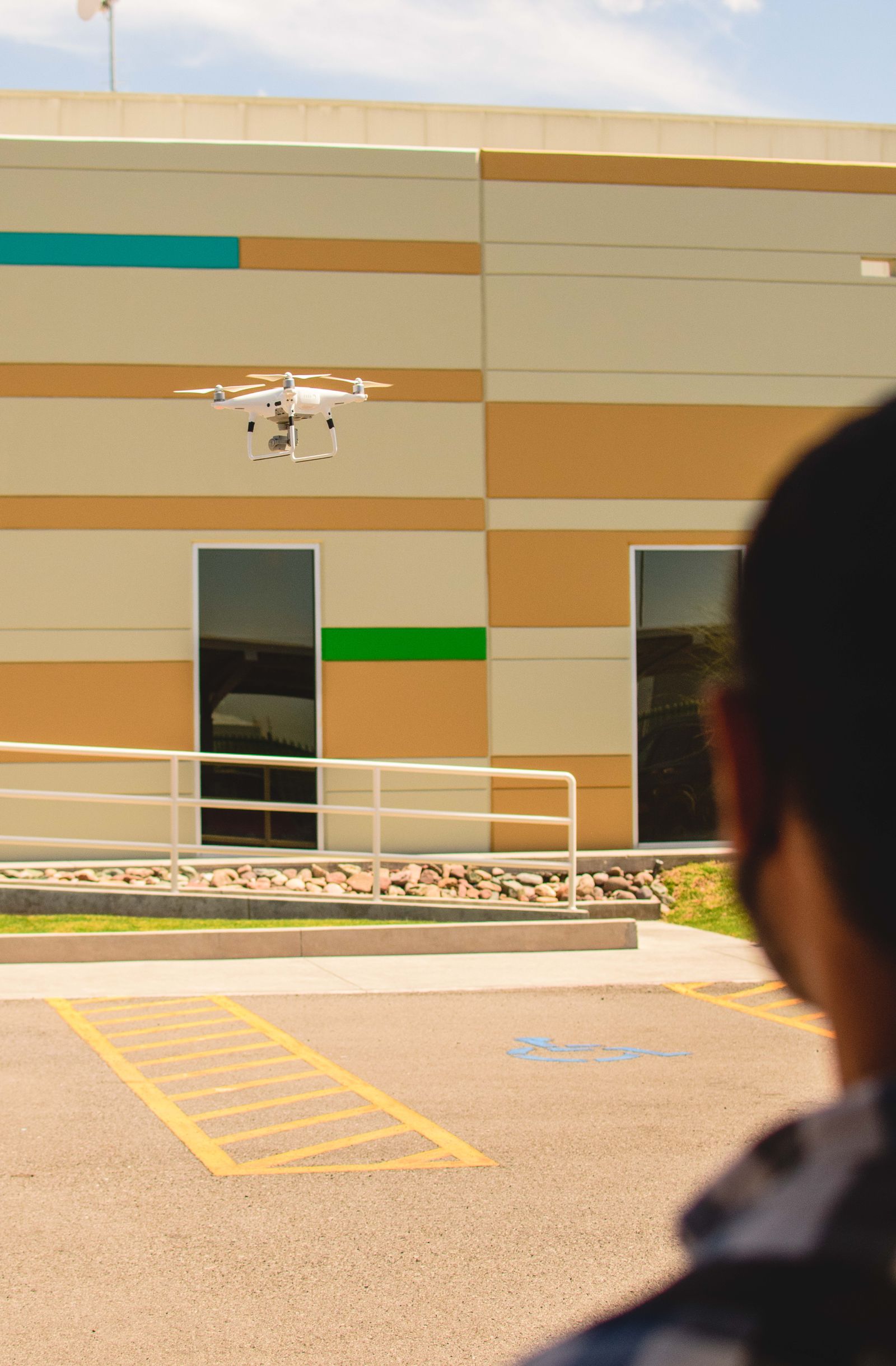
Drone-assisted application or rinsing may help selected broad upper elevations when stand-off distance, visual control, wind, launch and recovery space, water routing, and ground protection all remain workable. It is one part of an access plan, not a promise that an aircraft can clean every feature. Balconies, recessed walls, wires, trees, signs, rooftop units, roof edges, neighboring buildings, tight sidewalks, and active roads can make one elevation feasible and another unsuitable. Glass frames, ledges, canopies, bonded deposits, and surfaces requiring brushing or squeegee work may still need a pole, lift, roof-access method, or hand detail.
Will Rogers World Airport, Wiley Post Airport, medical helicopter activity, stadium events, controlled sites, and temporary restrictions can affect a proposed flight. Commercial operators must comply with applicable Federal Aviation Administration rules and obtain any required authorization; property permission does not replace aviation requirements. The plan should identify line of sight, spotters, communications, launch and recovery boundaries, emergency stop procedures, pedestrian controls, and the wind or visibility conditions that trigger a reschedule. If aerial assistance is not appropriate, the quote should state the backup access method instead of leaving the property with an undefined assumption.
Protect storm drains, landscaping, entrances, and logistics areas
Wash water can move from an upper facade to a sidewalk, curb inlet, landscaped bed, parking ramp, dock, or neighboring parcel faster than a wall-only estimate suggests. Before application, map roof drains, downspouts, low points, trench drains, doors, air intakes, electrical equipment, cameras, vehicles, outdoor seating, irrigation, and emergency access. Oklahoma City's stormwater system is designed to convey runoff, but a visible inlet is not automatic approval to send cleaning water into it. The responsible plan depends on the product, removed soil, rinse volume, slope, site requirements, and where the water can be controlled.
Controls may include dry cleanup, diversion, temporary protection, reduced rinse volume, monitored collection, recovery, filtration, or coordination with the property and responsible authority. Landscaping should be protected based on the actual plantings and product exposure, not a generic promise. Wind can move spray beyond a barrier, and a storm can change the water path during a job. The field lead should be able to stop for bypass, rising containment, unexpected residue, a blocked route, or a person entering the controlled area. A closeout should document completed elevations, remaining deposits, and any drainage or repair issue discovered.
- Trace water paths to inlets, low points, doors, planting beds, docks, and adjacent property.
- Confirm water access, hose routing, containment or recovery assumptions, and disposal responsibility.
- Protect guests, tenants, drivers, accessible routes, air intakes, vehicles, and equipment.
- Define weather, flow, occupancy, and wind conditions that require an immediate pause.
Request a quote built for the Oklahoma City property
A decision-ready commercial soft-washing proposal should identify the service zones, facade materials, visible conditions, proposed method, access approach, water assumptions, weather limits, operating controls, intended finish, exclusions, and closeout documentation. Broad wall washing should be priced separately from high-detail glass, mineral removal, oxidation treatment, canopy work, construction residue, graffiti, coating work, masonry repair, and envelope investigation. If drone assistance is included, the scope should show which elevations it is expected to support and what backup method applies when wind, airspace, or site control changes.
Send the Oklahoma City address, wide and close photos, approximate height, priority elevations, known materials, desired result, preferred work window, water access, drainage observations, and restrictions involving guests, patients, tenants, deliveries, security, events, or aircraft activity. We can evaluate a one-time facade reset, a phased public-facing scope, or recurring maintenance based on the way the building operates. Call +1 239-351-2897, email contact@dronebuildingcleaners.com, or use the quote form to get started with a site-specific recommendation.